Cross-Cultural Collaboration
Building Agile Remote Teams for Borderless Success

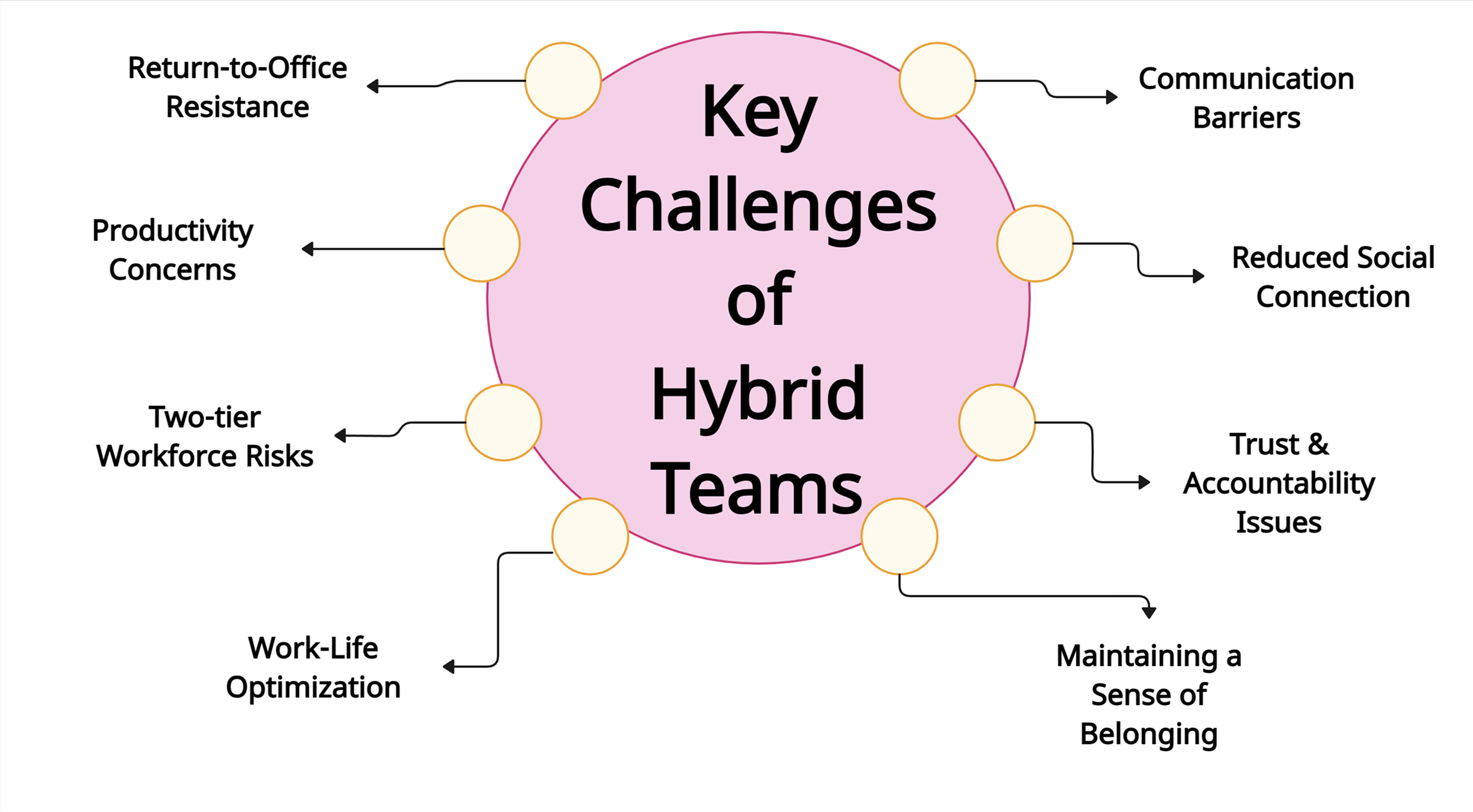
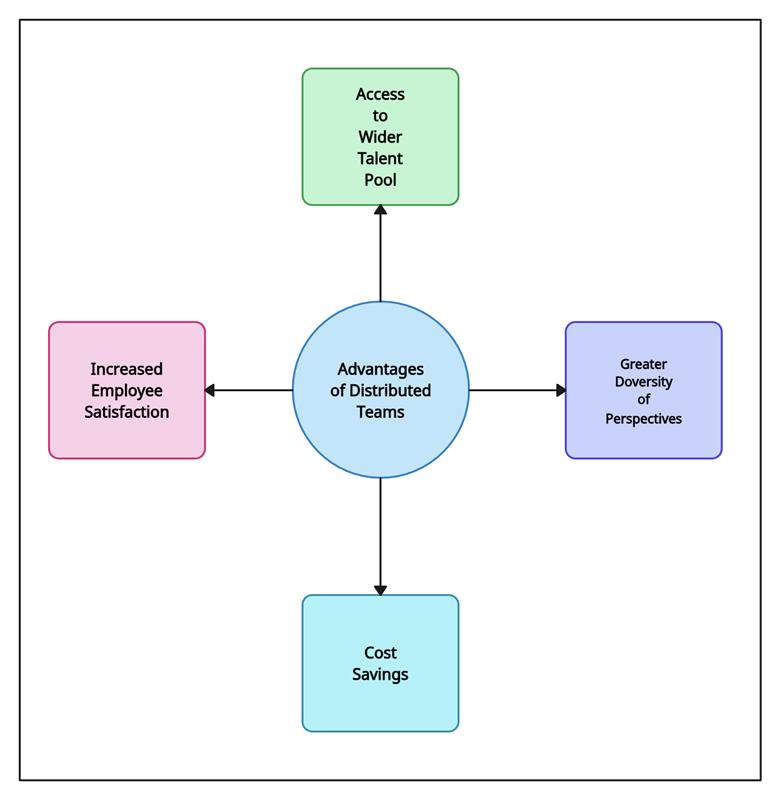
In hybrid work environments, assess productivity based on outcomes rather than time spent working. Focus on impact and goal achievement instead of screen time. Establish clear, result-oriented KPIs for remote teams. Foster a culture of trust and accountability without resorting to micromanagement.
Excessive video calls can lead to burnout. Reduce meeting frequency and encourage uninterrupted 'deep work' time. Implement meeting-free days to enhance focus. For hybrid meetings, use inclusive facilitation techniques with clear agendas to ensure full participation of remote employees.
To enhance collaboration in distributed teams, promote cross-functional projects across departments and locations. Design office spaces that facilitate collaboration. When possible, organize periodic in-person team-building events for remote employees.
In hybrid work environments, balancing productivity and trust is crucial. AI and automation tools offer solutions for tracking and enhancing productivity without invasive monitoring. AI-driven task management platforms streamline workflows and provide insights. Smart time management tools help employees optimize schedules and maintain work-life balance. Performance analytics focus on outcomes rather than monitoring activities. Automation of repetitive tasks allows employees to concentrate on strategic work, improving efficiency and job satisfaction.
Remote and hybrid work models are now permanent shifts in business operations. Companies must adapt to retain talent and maintain engagement. Structured hybrid models are emerging, featuring flexible work arrangements and collaborative office spaces. Digital-first companies leveraging asynchronous communication and AI-driven tools will outperform traditional office-centric models. Businesses focusing on seamless digital workplaces and cultural engagement will have a competitive edge in talent retention. Future leaders must excel in remote management and continuous adaptation to thrive in this evolving work landscape.
Company culture must adapt to changing workforce, business goals, and industry trends. Regularly collect feedback through surveys and engagement check-ins. Use analytics tools to monitor employee sentiment, engagement trends, and productivity. Adjust hybrid policies based on data-driven insights to balance flexibility and structure. Invest in leadership development focused on virtual management and communication skills to maintain culture and visibility in remote settings.
Companies that effectively integrate culture into hybrid and remote work gain a competitive edge. Culture-driven organizations retain talent longer due to stronger employee connections with values and leadership. A well-defined culture enhances team performance, productivity, and innovation across all locations. Strong internal culture translates to improved customer experiences, increased brand loyalty, and revenue growth.
As remote work increasingly becomes the norm rather than the exception, mastering the art of managing distributed teams has become a critical skill for modern leaders. The success of remote work arrangements hinges on several key factors that managers must prioritize and continuously refine.
Firstly, effective communication is paramount. In the absence of face-to-face interactions, leaders must establish clear, consistent channels for information sharing and collaboration. This involves not only selecting the right tools but also setting expectations for their use and fostering a culture of open dialogue.
Secondly, nurturing a strong team culture takes on new importance in a remote setting. Without the benefit of shared physical spaces, managers must be intentional about creating opportunities for team bonding, reinforcing company values, and maintaining a sense of collective purpose.
Thirdly, the intelligent use of technology is crucial. Beyond basic communication tools, managers should explore and implement solutions that enhance productivity, facilitate seamless collaboration, and provide visibility into work progress without resorting to micromanagement.
Finally, performance management practices need to evolve. Traditional methods of evaluation may not translate well to remote environments. Instead, leaders should focus on outcome-based assessments, regular check-ins, and providing continuous feedback.
By adapting their management approach to address these key areas, leaders can guide their borderless teams towards greater productivity and success. This involves not only implementing new strategies but also continuously learning and adjusting as the remote work landscape evolves.
Ultimately, those who embrace this changing environment, remain flexible in their approach, and prioritize the unique needs of remote teams will be best positioned to thrive in the future of work. As remote and hybrid models become increasingly prevalent, the ability to effectively manage distributed teams will become a significant competitive advantage for organizations across industries.